
What are the benefits of pig feed pellet feeding?
Apr 06, 2021
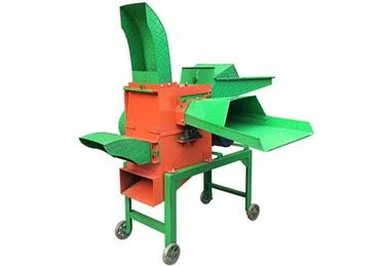
Pig feed pellet machine is a small feed pellet machine specially developed for feed pellet machine farmers. This machine has simple structure, convenient operation, safe and convenient maintenance, small size and small area. The granule has a high forming rate, smooth surface and hard texture, which is conducive to long-distance transportation and long-term storage. Suitable for chewing of livestock, farmers can realize true organic and pollution-free breeding.
A feed processing machine that directly compresses the crushed materials of raw materials such as corn, soybean meal, straw, grass, rice husk, etc., produces feed pellets with high hardness, smooth surface and internal maturation, which can improve the digestion and absorption of nutrients. The granule formation process can cause the denaturation of pancreatic enzyme resistance factors in grains and beans, reduce adverse effects on digestion, kill various parasite eggs and other pathogenic microorganisms, and reduce various worms and digestive system diseases. Compared with mixed powdered feed, higher economic benefits can be obtained.

What is price of pig feed pellet machine?
The hot-selling models of the feed pellet machine can be divided into motor type and diesel type according to the power points. The power is different, and the output is also different.
Motor type: The smallest output can produce 60 kg/hour, the power configuration is single-phase power 2.2KW, three-phase power 3kw. The maximum output can reach 1 ton/hour, and the power configuration is 30KW.
Diesel engine: The minimum output can reach 80 kg/h, and the power configuration is 8 (horsepower). The maximum can reach 800 kg/h, the power configuration is 41 (horsepower). It is suitable for production sites without three-phase electricity and inconvenient use of electricity.
The price is based on different powers, different output, and different prices. For specific detailed quotations, please consult our sales staff:
vincent:tell/whatsapp 0086 18639007627
Email:vincent@fandamachinery.com
What are the benefits of pig feed pellet feeding?
1. It can avoid being picky eaters. The compound feed formula has a variety of raw materials with comprehensive nutrition, which can prevent animals from picking their favorite food from the powder and refusing to take in other ingredients. Since pellet feed can maintain uniformity during storage, transportation and feeding, feeding loss can be reduced by 8% to 10%.
2. High feed rate of return. During the pelleting process, due to the comprehensive effects of moisture, temperature and pressure, the feed will undergo some physical and chemical reactions, which will gelatinize starch and increase the activity of enzymes, which enables the fed animals to digest the feed more effectively, which translates into weight gain. . Feeding poultry and pigs with pellet feed can increase the feed conversion rate (that is, the rate of return) by 10%-12% compared with powdered feed. Feeding fattening pigs with pellet feed has an average daily gain of 4% and a 6% reduction in feed-to-meat ratio.
3. More economical storage and transportation. After pelleting, the bulk density of the feed will generally increase by 40%-100%, which can reduce the storage capacity and save transportation costs.
4. The pig feed pellet machine produces high temperature and high pressure during the pressing process. The feed has a strong paste flavor and the feed texture is hard. It conforms to the characteristics of the gnawing animals of pigs, cattle and sheep, improves the palatability of the feed, and is easy to eat. The nutrient absorption conversion rate is increased by 300%, non-toxic and sterile, and the volume of the straw is doubled after being compressed, which is convenient for long-term storage and transportation.
5. It is an ideal equipment for professional households raising rabbits, fish, chickens, pigs, sheep, cattle and small and medium-sized feed processing plants. It is the first choice for breeding farms and specialized households to reduce breeding costs and increase economic benefits.